
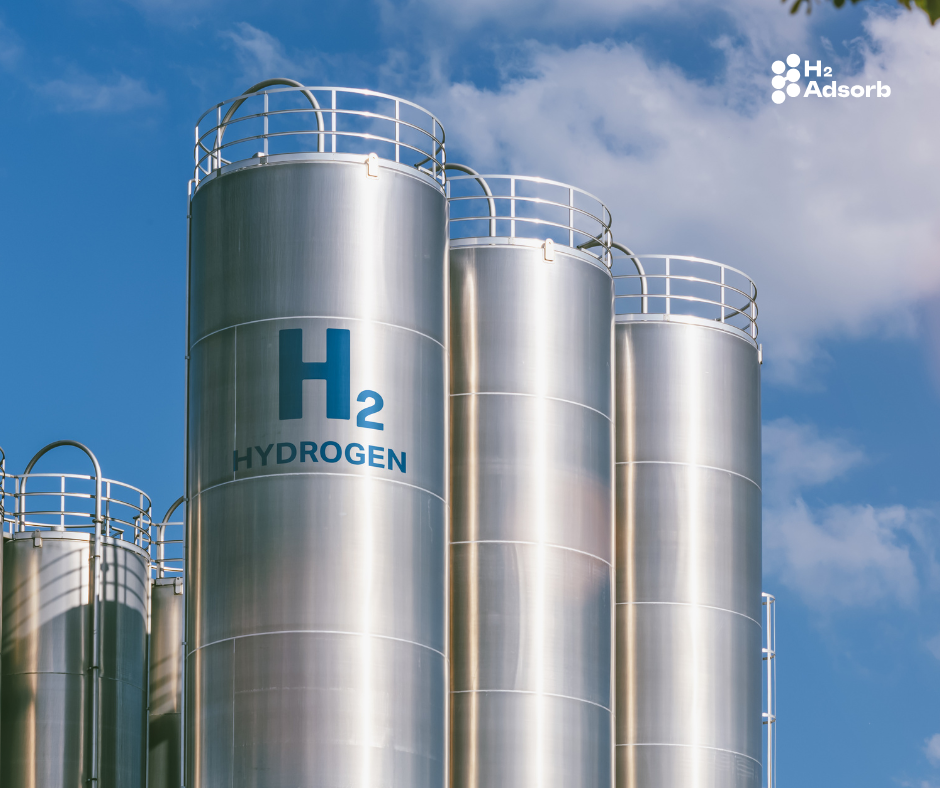
To discuss whether hydrogen is a “better” energy carrier than gasoline, we first need to clarify what an energy carrier is.
An energy carrier is a substance or system that stores energy and enables that energy to be transported and used later. It is not an energy source by itself.
An energy source generates energy (such as the sun, wind, or fossil fuels), while an energy carrier holds and delivers that energy when needed.
With this definition in mind, let’s compare two major energy carriers: gasoline and hydrogen.
Gasoline: Widely used, but inefficient and emission-intensive
Gasoline qualifies as an energy carrier because it does not occur naturally in a ready-to-use form — it is produced from crude oil. Crude oil forms over millions of years from organic matter (mainly plankton and algae) under heat and pressure.
During refining, crude oil is heated and different hydrocarbons evaporate depending on their boiling points. Gasoline fractions typically separate in the range of 40–200°C. Additional processes such as catalytic cracking, reforming and hydrotreating are used to improve octane levels and remove impurities.
Gasoline is still the most common transportation fuel worldwide. When burned in an internal combustion engine, it releases a significant amount of energy, but only 25–40% is converted into useful mechanical work — the rest is lost as heat. A major downside is that gasoline combustion produces CO₂, CO, NOx and particulate matter, which affect both climate and air quality.
While gasoline has powered decades of mobility and economic development, it is a fossil fuel and is not a long-term sustainable solution due to emissions and low overall efficiency.
Hydrogen: A clean, versatile energy carrier — but challenging to store and transport
Hydrogen is the most abundant element in the universe and is already widely used in industries such as fertilizer production, steelmaking (iron reduction), and even oil refining. In refining, hydrogen is used in hydrotreating processes to remove unwanted elements such as sulfur, nitrogen and oxygen.
On Earth, however, hydrogen is rarely found in free form because it reacts easily with other elements. In recent years, there has been growing interest in the concept of “geological hydrogen” — naturally occurring H₂ formed and accumulated underground. While early exploration and drilling projects have started, this field is still developing, and large-scale availability is not yet scientifically confirmed.
For this article, we focus on green hydrogen — hydrogen produced by electrolysis using electricity from renewable sources such as wind or solar power.
Cost: Green hydrogen needs to become more competitive
The cost of green hydrogen depends on multiple factors: technology investment, operational costs, handling and — most importantly — the cost of electricity. In 2025, the production cost of green hydrogen in Europe is typically estimated at around €5–8 per kg, while the end-user price at refuelling stations can reach €10–15 per kg due to compression, logistics and distribution costs. To compete broadly with gasoline, the final price would need to fall significantly.
Energy density: High per kilogram, low per litre
Hydrogen has roughly three times higher gravimetric energy density than gasoline, meaning it carries much more energy per kilogram. However, its volumetric energy density is very low, which makes storage and transport technically demanding. This is one of the main reasons why hydrogen prices increase noticeably between the production site and the refuelling station.
How hydrogen is stored
Hydrogen storage requires technologies that compress, cool or chemically bind it. The most common methods include:
- Compressed gas (350–700 bar): widely used for transport and stationary systems; requires energy for compression and strict safety measures.
- Liquid hydrogen (-253°C): increases volumetric energy density and can be useful for long-distance transport; energy-intensive and causes boil-off losses.
- Material-based storage: hydrogen is stored in materials such as metal hydrides or porous structures; safe and low-pressure, but often heavy or still under development.
Where hydrogen is used today — and where it is heading
In 2025, hydrogen is still used mainly in industry, especially for ammonia production and oil refining. Its role is growing rapidly in the steel sector, where hydrogen enables low-carbon iron production and reduces CO₂ emissions.
In transport, hydrogen is moving from pilot projects into wider use: fuel-cell buses, trucks, trains and early marine applications show strong potential, especially in cases where long range and fast refuelling are needed and battery solutions are not sufficient.
In the energy sector, hydrogen supports renewable energy storage and backup systems. Fuel-cell generators offer a quiet, emission-free alternative to gasoline-powered generators. Hydrogen also plays an increasing role in producing synthetic fuels, helping decarbonize aviation and shipping while using existing fuel infrastructure.
Hydrogen is not a natural energy source — producing it requires energy — but it offers clear advantages over gasoline:
So why can hydrogen be a better energy carrier?
✅ Zero CO₂ emissions at the point of use (and no particulate emissions), making it a powerful tool for decarbonisation.
✅ High energy per kilogram, making it attractive for applications where weight matters.
✅ Energy security and autonomy, especially for regions without fossil fuel resources, because hydrogen can be produced locally using renewable electricity.
Hydrogen is not a perfect solution — storage, infrastructure and cost remain key challenges — but as renewable energy expands, hydrogen has the potential to become one of the most important energy carriers of the future.